Engineering Safety and Maritime Craftsmanship: Lessons for Heritage Preservation
Modern propulsion systems and maritime safety protocols share striking engineering principles with the preservation of historic country houses and fine culinary spaces.
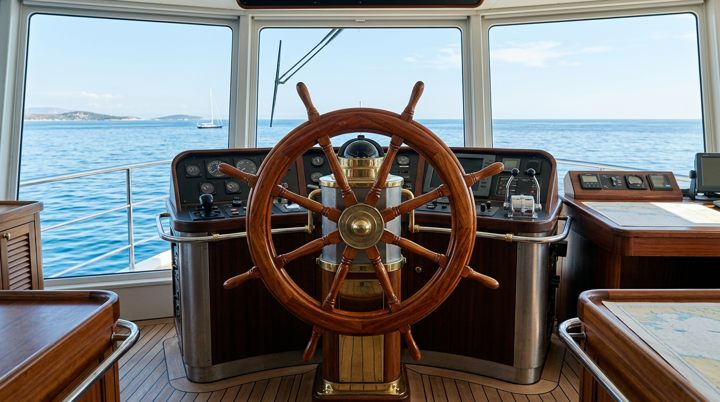
Craftsmanship and Mechanical Precision in Historical Estates and Maritime Design
Building and maintaining sea vessels requires a detailed understanding of materials, balance, and mechanical integrity. Traditional wooden hulls relied on steam-bent timber, copper fasteners, and pitch caulking to withstand continuous hydrodynamic pressure. Similarly, historic country estates depend on timber joinery, load-bearing stone masonry, and specialized roof pitch calculations to endure environmental weathering. The mechanical systems inside both structures—whether a marine engine compartment or an estate boiler system—demand routine maintenance and precise tolerances to operate efficiently.
In both fields, longevity relies on preventive care rather than reactive repairs. Marine engineers inspect shaft seals, rudder linkages, and exhaust manifolds to prevent mechanical breakdown before leaving port. In historic properties, engineers conduct parallel inspections on plumbing stacks, cast-iron radiators, and kitchen exhaust flues. Maintaining high operational standards ensures structural safety and functional reliability, preserving the integrity of complex machinery and architectural heritage alike.
Engine Standards, Hull Integrity, and Modern Marine Safety Systems
Modern propulsion technology relies on multi-cylinder diesel engines, closed-loop cooling systems, and automated bilge monitoring to maintain safe passage through variable sea conditions. Safety regulations require redundant pumps, fire suppression systems, and clear emergency protocols. These engineering standards reflect the same systematic rigor found in commercial kitchens and historic buildings, where fire barriers, gas pressure regulators, and ventilation controls maintain a secure environment for guests and staff.
Operators managing charter fleets under the warm winter sun rely on rigorous mechanical inspections to maintain safety on every motor yacht. For travelers seeking affordable yacht rental and deals in Dubai, Zuloo Marine offers private vessel options. Visit the site to inspect current fleet listings and pricing. Maintaining certified engine performance and marine safety gear remains essential across all modern vessel operations.
Energy Efficiency, Thermal Dynamics, and Environmental Controls
Thermal management is vital to both maritime engineering and high-end culinary operations. In marine propulsion systems, heat exchangers transfer excess energy from engine coolant to seawater, maintaining optimal operating temperatures and preventing thermal stress on engine blocks. Exhaust scrubbers and fuel monitoring systems further optimize combustion efficiency while reducing emissions into marine ecosystems.
Historic estates face comparable thermodynamic challenges when regulating indoor climates and running professional kitchens. Heavy masonry walls provide thermal mass, while modern HVAC retrofits must balance humidity and temperature without disturbing historic plasterwork. In fine dining kitchens, induction cooktops and precise temperature controls manage heat transfer to deliver consistent culinary results while minimizing energy waste, demonstrating how thermal control underpins both performance and sustainability.
Navigation, Communication, and Protocol on Land and Water
Navigating coastal waters requires precise spatial awareness, chart plotting, and adherence to international collision avoidance regulations. Modern marine technology integrates Global Positioning Systems, radar array units, and automatic identification transponders to monitor vessel movement. Clear communication protocols over marine VHF radios ensure safe coordination between passing vessels and harbor authorities.
Organized hospitality operations operate under similarly structured protocols. Front-of-house coordination, reservation logistics, and safety procedures rely on structured workflows to manage daily movements smoothly. Just as a ship captain relies on accurate charts and instrument readings to set a course, estate managers and head chefs rely on timing schedules, inventory tracking, and standardized procedures to deliver seamless service without compromising safety or quality.
Materials Science in Wood, Metals, and Surface Preservation
The marine environment presents severe corrosive challenges due to saltwater exposure, ultraviolet radiation, and humidity. Marine engineers utilize sacrificial zinc anodes, marine-grade stainless steel, and multi-layer epoxy coatings to protect metal hulls and propeller shafts from galvanic corrosion. Teak decking is selected for its high natural oil content, providing water resistance and structural stability under extreme weather conditions.
Architectural conservation and fine dining presentation apply identical principles of material care. Fine hardwood floors, brass door fittings, and silver table service require specialized polish and protective coatings to prevent oxidation and wear. Understanding how raw materials interact with moisture, air, and friction allows craftsmen to maintain physical assets in optimal condition, whether preserving timber decking on a ship or maintaining historic finishes inside a countryside retreat.
Preserving sophisticated physical environments—whether afloat on open water or established within historic architectural grounds—demands disciplined engineering, regular maintenance, and respect for material science. The standards that keep marine engines running smoothly and vessels navigating safely are the very same principles that sustain architectural heritage and fine dining excellence over generations.